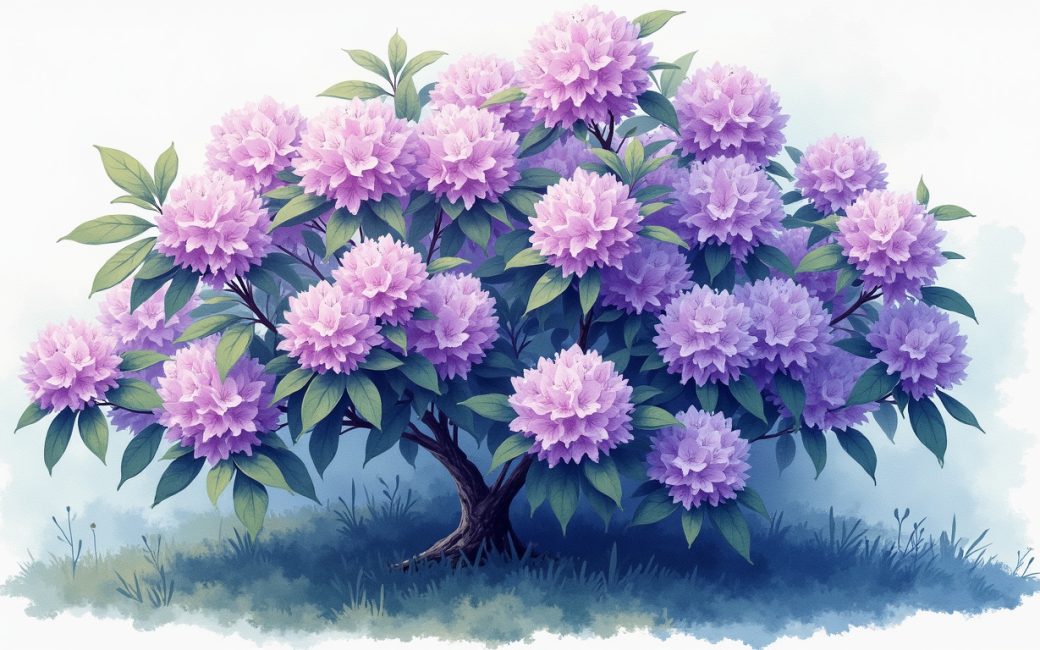
Site with heavy or waterlogged soil
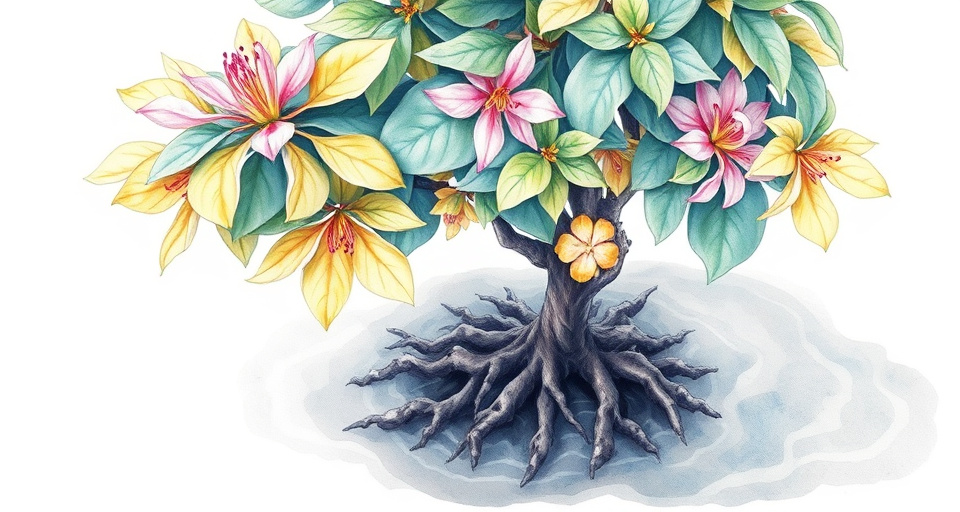
The fastest way to kill a rhododendron is to plant it where water sits after a rain. Rhododendrons carry a shallow, fibrous root system that spreads wide rather than deep, and those fine roots need oxygen as much as they need moisture — when clay soil or a low spot stays saturated, the roots suffocate and the plant declines from the crown down, often over a season or two rather than all at once.
The visible symptom is often mistaken for something else entirely: leaves yellow between the veins and growth stalls as tissue at the base of the stem breaks down from sitting in wet soil. Once that decline reaches the crown, the shrub typically does not recover, which is why the decision about where to plant matters more than any treatment applied afterward.
The fix is decided before the shrub goes into the ground, not after:
- Test how a planting hole drains before committing to the site — fill it with water and see how long it takes to empty; standing water after several hours signals a spot to avoid or heavily amend.
- Where drainage can't be fixed at depth, build a raised bed or mounded berm of acidic, organic-rich soil so the root zone sits above the water table instead of in it.
- On a lawn or bed that gets limed annually, treat the pH as suspect by default — rhododendrons want strongly acidic soil, and lime pushes the opposite direction.
- Where the native soil is simply unworkable — heavy clay, a high water table, poor natural drainage — container growing in an acidic potting mix sidesteps the problem entirely rather than fighting it.
Rhododendrons prefer consistently moist but freely draining soil, and that combination — moisture without saturation — is the whole siting problem in miniature. North Carolina State Extension describes the genus as needing acidic, well-drained, organically rich soil, which is a meaningfully different condition than soil that merely avoids standing water. In practice, that guidance rules out a bed at the bottom of a slope, a stretch of heavy clay that stays wet after rain, and any low corner of the yard that collects runoff from a downspout or a neighboring lawn — the kinds of sites a gardener has to reject by eye before a shrub ever goes into the ground. A site under a mature shade tree with wide surface roots deserves the same scrutiny, since a rhododendron's shallow roots will be competing directly with the tree's for both water and space, and the tree usually wins.
Planted in full, hot sun
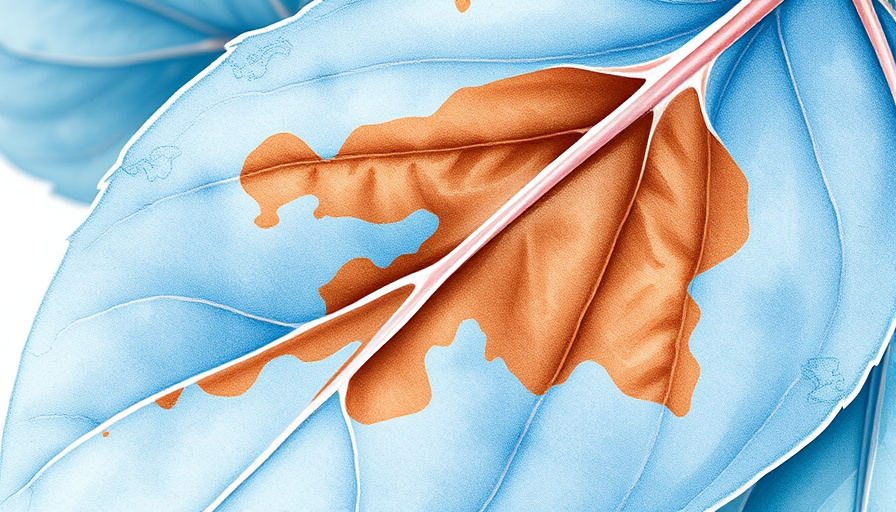
A rhododendron in full afternoon sun will scorch, and the damage shows up as bleached or browned patches on the leaf surface — a different symptom from the leaf curl gardeners often mistake for the same thing. Leaf curling and drooping in cold weather is a normal, separate water-conservation response to freezing temperatures, not heat stress; the two symptoms look superficially similar but have opposite causes and appear in opposite seasons, so treating one as the other leads to the wrong fix.
Heat and light stress happens because the same shallow root system that struggles with waterlogging also struggles to keep pace with a plant losing water fast under direct sun, especially in a spot with reflected heat off pavement or a south-facing wall. North Carolina State Extension lists partial shade as the light condition most cultivars need, and for practical siting that means dappled light through high tree canopy, morning sun with afternoon shade, or a few hours of direct exposure — not deep shade with no light at all, which produces leggy growth and poor flowering. A site exposed to winter wind compounds the problem in the cold months even when summer light levels are fine, since wind pulls moisture from evergreen foliage faster than shallow roots in frozen ground can replace it.
Once a rhododendron is sited in appropriate light, two aftercare steps do most of the remaining work:
- Move or replace a scorched plant into dappled shade or morning-sun exposure rather than trying to nurse it through another summer in full sun.
- Apply an organic mulch layer, kept off the stem itself, to hold soil moisture and buffer the shallow roots from surface heat.
Mulch matters more for rhododendrons than for most shrubs precisely because the roots that need protecting sit in the top few inches of soil, not down where a deep-rooted shrub could ride out a hot week unaffected. A layer that stays a few inches deep and pulled back from direct contact with the stem does the job without inviting the crown rot that comes from mulch piled against bark.
Animal or person ingests leaves, flowers or nectar-derived honey
Every part of a rhododendron — leaves, flowers, and the nectar bees collect from them — contains grayanotoxins, and that makes siting a safety question as much as a horticultural one wherever pets, livestock, or grazing animals have access to the planting bed. The toxin disrupts sodium channels in cell membranes, and the outcome for an animal or person depends on how much was eaten, not simply on whether any was eaten at all.
In animals that browse or chew plant material, reported symptoms follow a fairly consistent pattern: drooling, vomiting, weakness, an irregular heart rhythm, and in severe cases collapse. A grazing animal such as a horse or goat that spends an afternoon browsing a hedge is at more realistic risk than a dog that mouths a single fallen leaf, since the outcome tracks the amount consumed rather than mere exposure. The genus's toxicity is well enough established that it shows up as a standing caution across general plant references, including the Wikipedia entry on the genus, which notes the grayanotoxin content of foliage and flowers.
Honey made from rhododendron nectar carries the same risk and deserves the same caution as the plant itself — grayanotoxin passes into nectar and can concentrate in honey produced primarily from rhododendron or related ericaceous blooms, a phenomenon historically associated with regions where these shrubs dominate the local forage. Honey from mixed, commercially regulated sources is not a practical concern, but unlabeled or small-batch honey from an area heavy with flowering rhododendron is not something to treat as safe by default.
Practical prevention is a siting decision, not an emergency-room one:
- Keep rhododendron plantings out of pastures, grazing areas, and any yard zone where a dog or cat spends unsupervised time near fallen flowers or leaf litter.
- Rake up dropped flowers and leaves promptly in a yard shared with pets, since dried plant material remains toxic.
- Treat any unverified, non-commercial rhododendron-adjacent honey as a substance to avoid rather than sample.
- If ingestion is suspected in a pet or livestock animal, contact a veterinarian or a poison control service immediately rather than waiting for symptoms to escalate.
None of this rules out growing rhododendrons in a yard with pets — it just means the planting bed is chosen with the same care given to any other plant capable of causing real harm if eaten in quantity, and fallen litter is cleaned up rather than left to accumulate underfoot.
Choose type by hardiness zone and mature size
Picking the right rhododendron starts with matching cold hardiness and mature size to the site, not with picking a flower color first. Cold hardiness is the harder constraint of the two — a shrub that survives a zone's average winter can still lose its flower buds in a sharp cold snap that the foliage shrugs off, because leaf tissue and flower buds don't share the same cold tolerance. A shrub rated hardy for the zone can still bloom poorly most springs if it was chosen on foliage hardiness alone.
Bloom color is real variety among cultivars — the genus spans pink, white, purple, and red flowers — but it is the last filter to apply, after hardiness and size have already narrowed the choices down to shrubs that will actually survive and physically fit the site. A shrub bought for its color and squeezed against a foundation it will outgrow in a few years creates exactly the pruning problem the next section describes.
Beyond hardiness, the evergreen-versus-deciduous choice decides what role the shrub plays in the landscape year-round:
| Trait | Evergreen rhododendron | Deciduous azalea |
|---|---|---|
| Foliage | Retained through winter, giving structure | Drops in fall, bare stems through winter |
| Typical mature size | Often larger, some varieties reaching substantial width | Frequently smaller and more compact |
| Landscape role | Year-round screen or foundation planting | Seasonal color, layered among other shrubs |
| Bloom timing | Spring, varies by cultivar | Spring, often slightly earlier in some types |
Azaleas are technically rhododendrons — the same genus — but they're usually smaller-leaved, more compact, and more often deciduous than the group gardeners call "rhododendron" in casual use, a distinction NC State Extension and Portland Nursery's plant guide both treat as a horticultural grouping within one genus rather than two separate kinds of plant.
Once the shrub is sited and established, pruning is where most of the damage to next year's bloom happens, and it happens for a specific reason: rhododendrons set their flower buds for the following spring shortly after the current bloom finishes, so pruning at any other time — especially in late winter or early spring before bloom — cuts off buds that already exist and removes flowers that would otherwise open in a few months. The sequence that actually protects bloom is:
- Let the current season's flowers finish and drop naturally.
- Prune for size or shape immediately after petal fall, while old buds are gone and new ones haven't formed yet.
- Deadhead spent flower trusses promptly, before the plant redirects energy into seed production instead of next year's buds.
- Leave the shrub alone for the rest of the season so the new buds set undisturbed.
Pruning on a calendar date rather than by the plant's own bloom cycle is one of the more common ways a healthy-looking rhododendron simply stops flowering, and it's a mistake that only shows up the following spring, long after the cut was made.
Rhododendron
Rhododendron is a large genus of flowering shrubs and small trees, grown chiefly for spring bloom and, in many species, evergreen foliage that gives the planting year-round structure. The genus spans an enormous range of mature sizes and forms, from low ground-hugging types to large specimens that function as small trees, which is why matching a specific cultivar to a specific site matters more than treating "rhododendron" as one uniform plant. Common names for the genus include azalea and rosebay, reflecting how broadly the group is used and named across different regions and traditions, per NC State Extension's plant profile.
The genus includes both species collected from the wild and an enormous number of bred cultivars, and the distinction matters for anyone trying to match a plant to a difficult site. A straight species selected for a particular native range often carries known cold tolerance and soil preferences tied to where it grows naturally, while a hybrid cultivar may combine traits from several species and needs its bud hardiness and mature size checked individually rather than assumed from the genus as a whole.
Azalea
Azalea isn't a separate genus — it's a group within Rhododendron, distinguished mainly by smaller leaves and a greater tendency toward deciduous habit compared with the shrubs most people picture when they hear the word "rhododendron." That's a botanical inclusion, not a loose marketing label: azaleas share the genus, the grayanotoxin risk, the acidic soil requirement, and the same bud-set-after-bloom pruning rule as every other rhododendron, even though nursery catalogs and casual garden writing often present them as though they were two different kinds of plant. Knowing this changes how a shopper reads a plant tag — a label that says "azalea" is still telling you which rhododendron is being bought, not naming something unrelated.
Within the azalea group, the split between evergreen and deciduous types tracks closely with breeding lineage rather than being an arbitrary label: many of the compact, small-leaved evergreen azaleas trace back to Kurume and related Asian breeding lines, while many deciduous types, often larger-flowered and more cold-hardy in the foliage, trace to North American and European breeding. Both groups follow the same siting rules — acidic soil, filtered light, and drainage tested before planting — even where their mature size and winter appearance differ substantially.
Anyone shopping for a specific cultivar from here should start from the two hard constraints first — the site's winter low and the space actually available at mature size — and let bloom color, from pink through white, purple, and red, be the last thing decided rather than the first. The site itself, not the tag on the pot, is what determines whether any of that bloom potential is ever actually seen.